
Time keeps on slipping(everybody now!) into the future (thank you, Steve Miller Band). Thats a given, and its what our watches help us witness. But the way we interact with time is another matter. The evolution of the simple wristwatch, driven by professional needs, has brought us numerous different functions for recording time. Dive watches utilize the eponymous divers bezel. Pilots watches as a genre utilize many functions and complications, of which the countdown bezel and chronograph are merely two. All three of these functions measure specific intervals of time. And all three have thoroughly infiltrated non-professional watch culture. Each one divers bezel, countdown bezel, and chronograph affects the way we interact with and perceive time. Its time you knew how. It could change the way you use them, or even what youll allow yourself to wear.Time has an inherent element of stress. As our awareness of time increases necessarily with being punctual in a world closely attuned to the clock, so, too, does our stress. Thats one reason we wear watches. Closer observation and measurement of the passing of time demanded by certain activities and professions produced numerous ways to dial in our observation. Nowadays, the complications and functions attuned to close measurement of time in watches have taken on more of an aesthetical quality. Do I need a chronograph? No. Do I enjoy wearing and using a chronograph? Well, do I make a living writing about watches? Theres your answer. But the simple differences in how these different functions track the passing of time shape our relationship with it. Really, the question you should ask yourself is whether to count up or down.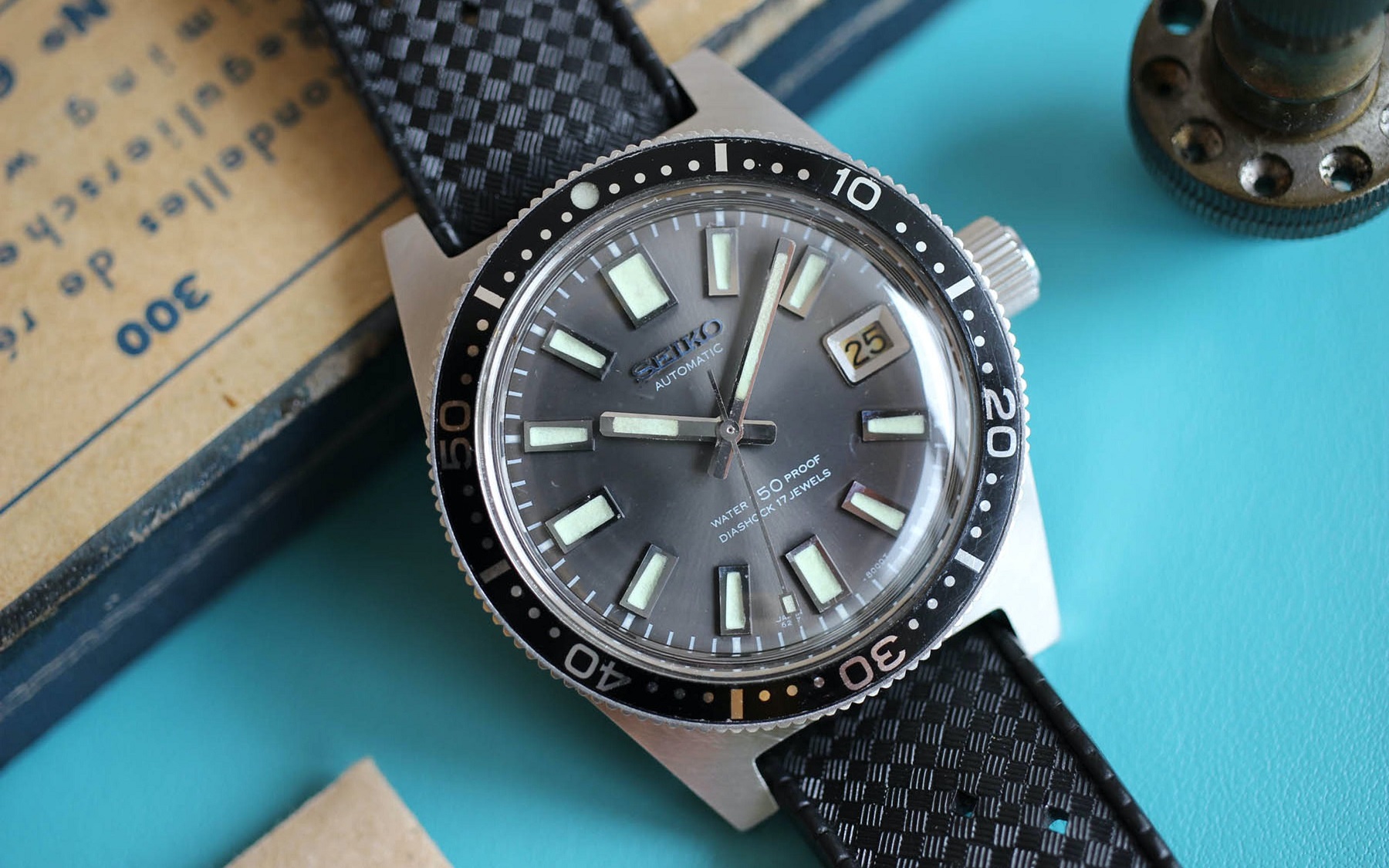 Divers BezelLets start with the favorite the beloved dive watch bezel. What was once a very real tool for professional divers has become the darling of the watch world. And for good reason its immensely useful, provides an enjoyable tactile interaction, and dive watches just look cool. Despite (misinformed) popular opinion, the divers bezel was never for measuring how much air in the tank is available to breathe during a dive. It is used for timing dives but in a much more complicated way. Like how the Hamilton Khaki Aviation X-Wind uses a bezel in a complex process for safely piloting a plane (a feature that goes way above my head), a dive bezel is a tool used in conjunction with a series of tables and depth information to perform a safe dive.
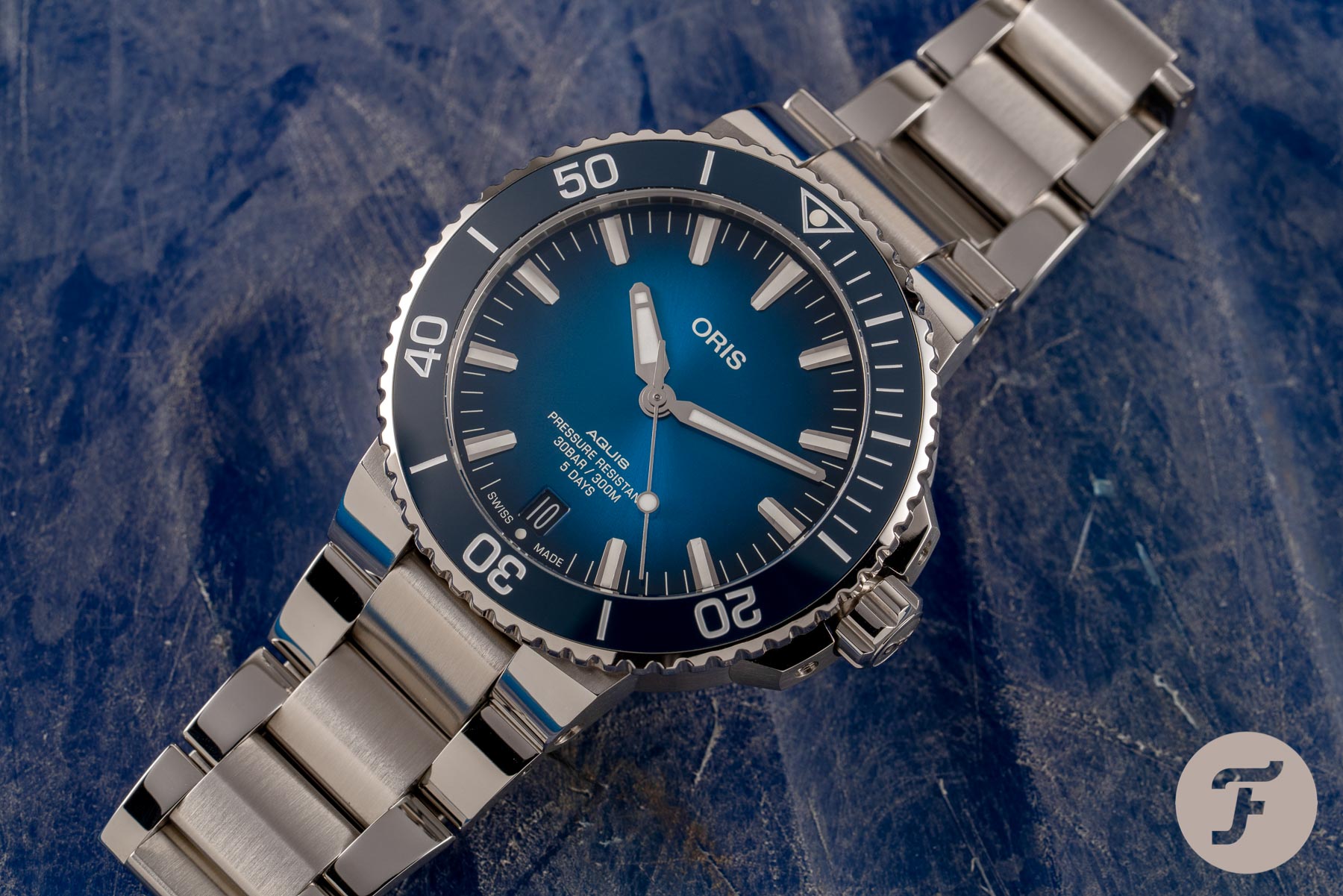
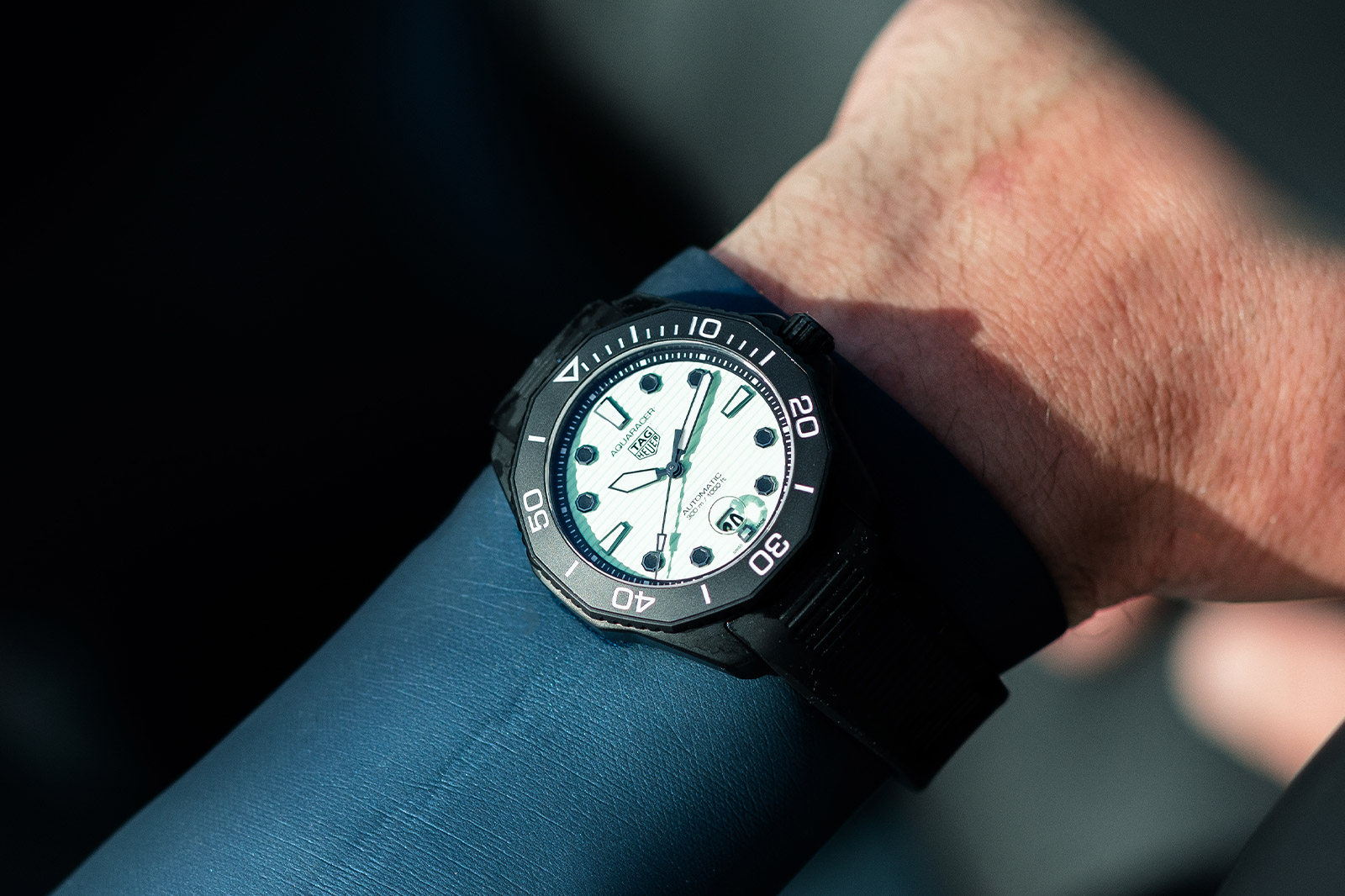 NOT for measuring remaining airHeres the very short version of how to use a divers bezel to dive. The bezel pip is set at the minute hand upon starting a descent. The elapsed time is noted upon ascent back to the surface, as is the lowest depth reached. This information number of minutes and depth is cross-referenced to a dive table to determine the window of time one can be at a depth without decompression stops upon ascent. Thats very important, as decompression sickness, aka the bends, is unpleasant at best.A bad diver dives first and can consult the chart to confirm why he feels so terrible later.A good diver knows the objective depth and creates a dive plan using the dive chart before a dive, making sure to stay within the predetermined limits of time at depth. A bad diver dives first and can consult the chart to confirm why he feels so terrible later. Most modern-day divers use a dive computer, bypass a lot of the homework, and let the computer dictate the way the dive progresses, with no dive watch necessary.A casual time companionBut we, the watch-wearing public, still very much use dive watches and their bezels. We cant get enough of them. Parking a car in a metered spot? Use the dive bezel. Putting a steak on the grill? Divers bezel again. Anything for which we need to mark the time gets the reassuring ratcheting clicks of our dive bezels. Then we check our watches, keeping in mind how much time we paid on the parking meter, or how many minutes weve grilled each side of the steak.If we are driving down the highway of time, the divers bezel is a mile [minute] marker.The dive bezel is the equivalent of setting a reference marker down in time, which we use to see how far weve traveled forward. Its unobtrusive in its function and relaxed in its lack of attention to detail. It doesnt say anything about the future, and thus doesnt constrain us to any particular window of time. If we are driving down the highway of time, the divers bezel is a mile [minute] marker. If you know the road, you dont even need it.
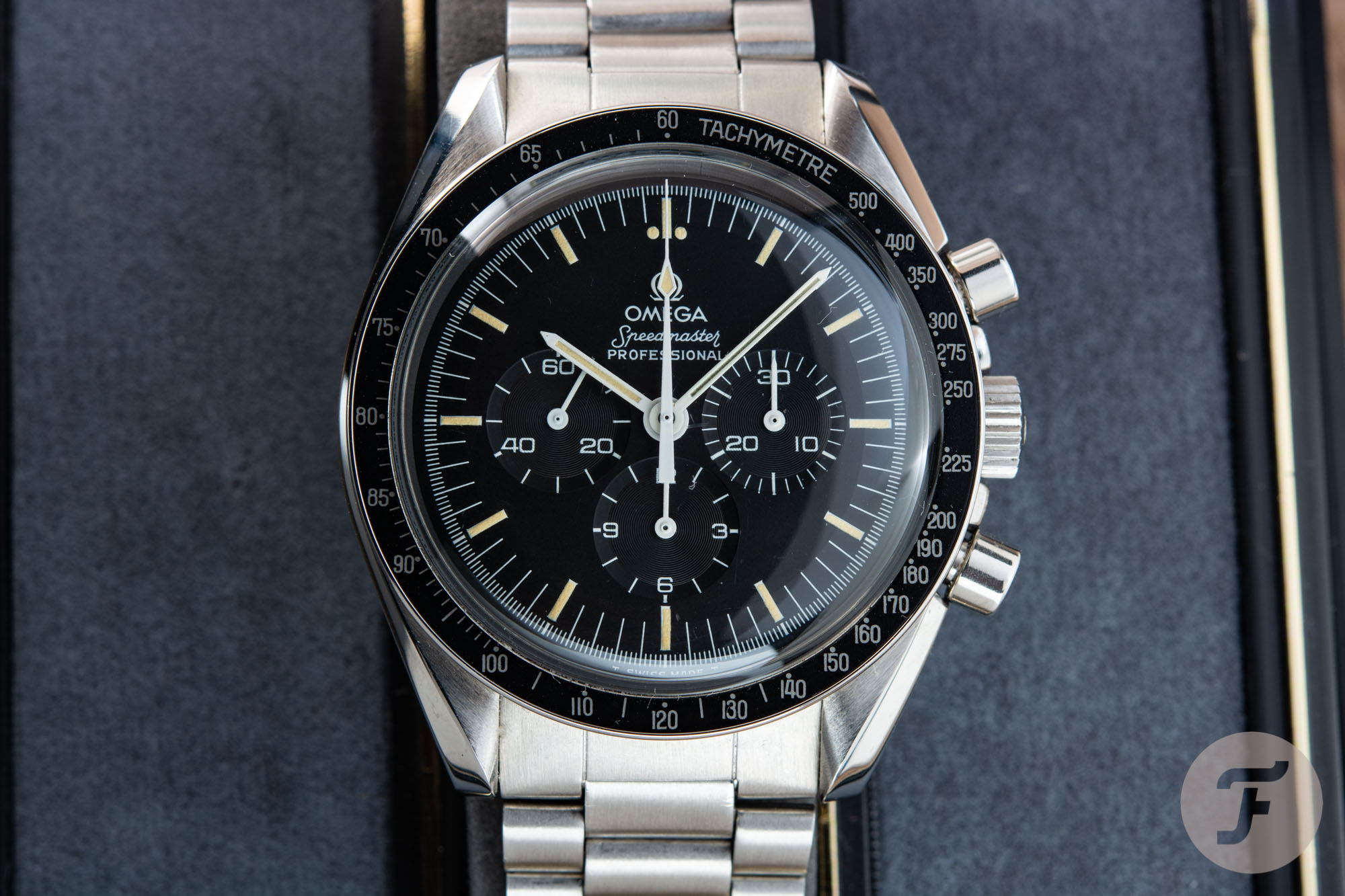 ChronographFunctionally, the chronograph is an extension of the divers bezel. Whereas even the best divers bezels can measure only to the closest half-minute, a chronograph can capture precise moments and windows of time. The first mechanical chronograph invented by Louis Moinet in 1816 was for assisting the use of astronomical equipment. The first commercial chronograph was developed at the request of Frances King Louis XVIII in 1821, who very much enjoyed racing horses. Those two developments forever relegated the simple chronograph to the skies and racing, and sometimes both.Still counting upA chronograph is started at a particular moment in time, capturing that moment like a divers bezel would. But its nature of being a mechanical complication that needs to be manually stopped after starting steps away from the casual observational nature of the dive bezel. Active participation is required to greater degrees of attentiveness depending on the desired accuracy of results.
 But with a future goalStarting a chronograph requires from the user a pre-meditated future event that once it occurs signals the moment to stop measurement. This requires, if not a knowledge of the future, at least an active projection and maintained observation until the imagined future moment becomes current reality. This is undoubtedly a step towards complication and constraint. A divers bezel marks a moment in time with the expectation that the elapsed time from then will be valuable. A chronograph requires an endpoint, locking the user into an end-goal. Its still measuring elapsed time, but with more investment. the stress of the stopwatch ticking away could be that little extra push someone needs to improve their time in whatever activity theyre timing.I wear both kinds of watches and use both functions. Anecdotally, I can tell you that Ive experienced more stress and disappointment in looking down and realizing Ive let a chronograph run unheeded well past the moment I was supposed to stop it than Ive ever experienced realizing I set a divers bezel and forgot. The precision and specific stop point intrinsic to a chronograph are incredibly useful for many activities, and the stress of the stopwatch ticking away could be that little extra push someone needs to improve their time in whatever activity theyre timing. Id choose it for improving my efficiency at a task, but not so much for cooking an egg.
 Countdown BezelThe countdown bezel, for those unfamiliar (as its not a common tool), is essentially a reversed divers bezel. Whereas the numerals on a dive bezel mirror a watchs chapter ring and the progression of time counting up the countdown bezel counts, well, down. With the pip set at high noon on a watch, 3 oclock normally the 15-minute mark for watch and divers bezel states 45, and continues counting down clockwise to zero.Crunch timeThe history of this function is murky, but it seems the application was born from racing and the military. Anything occurring at a set time in the future benefits from a countdown. That includes the starts of races and launching rockets. Whereas the dive bezel marks a moment in time past and the chronograph spans a beginning and end, the countdown bezel is all about that future endpoint.
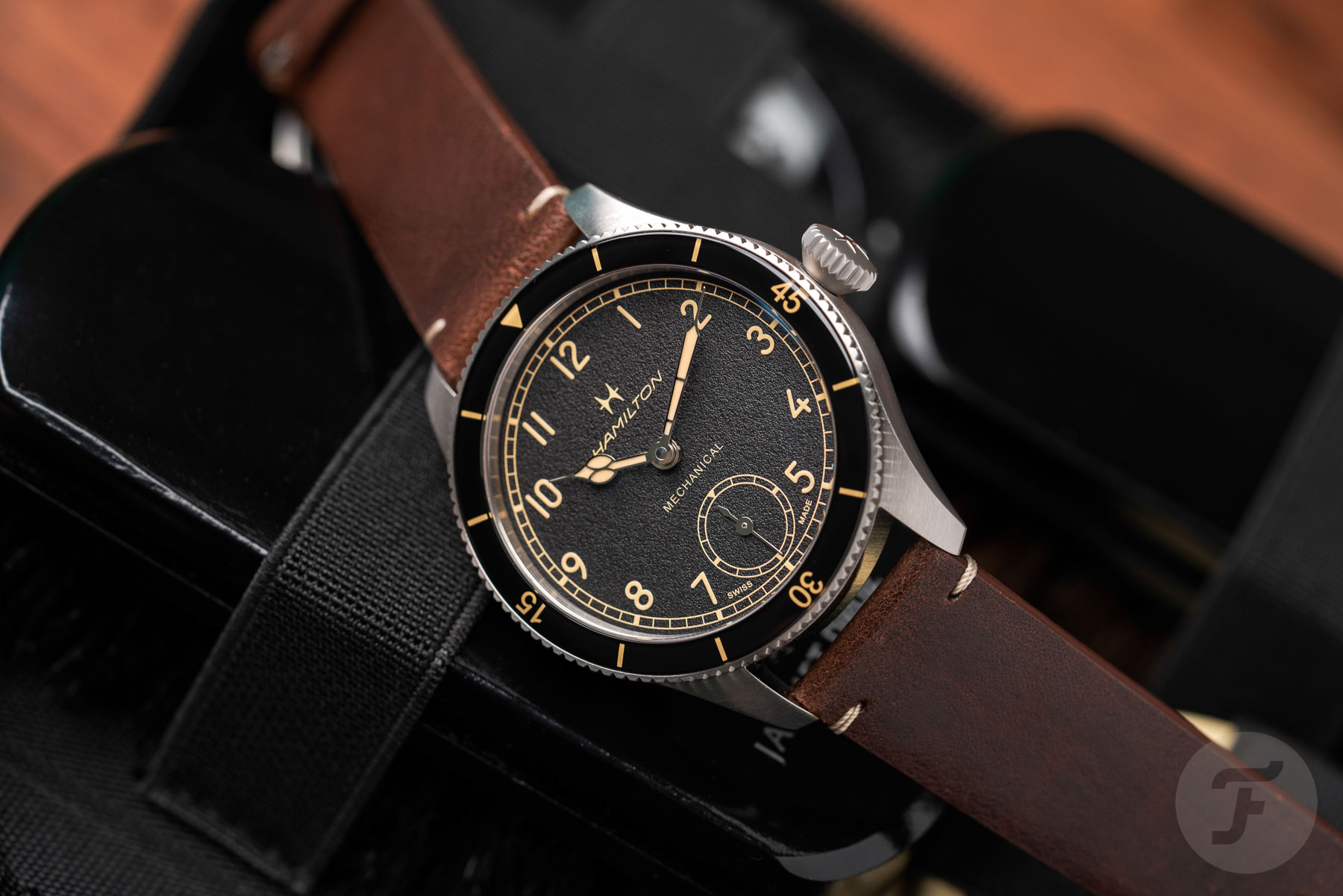 Good for cooking, not for stressA perfectly cooked egg needs medium heat, a lid, and three minutes (trust me). Id use a countdown bezel for that in a heartbeat. Meeting at a weird time, i.e. not on the hour? Id also use a countdown bezel. Any scenario in which the future is precisely set and you need to know how much time you have until then benefits from a countdown bezel. The thing is, I dont own one.The stress I choose not to ownNowadays, when I have the luxury, Im fairly picky with my stressors. Ive done the world of meetings and deadlines, and Ive lived by the clock. Its only now, having stepped away from that some, that Ive come to fully love time and the machines that track it. For someone still very much in that world, a countdown bezel could be very beneficial and actually might reduce stress by making the remaining time to an event clearer and more manageable.But the very act of conscripting oneself to future events yet to happen and working accordingly is no small burden. Sure, its gotten us to the moon and back. I havent been there either. But I prefer that my watches lightly assist me, and also to remain generally ignorant of the time. Its a balance that gets me around in a time-obsessed world with the least effort. To live by the countdown is, in a way, living time as a series of endings.
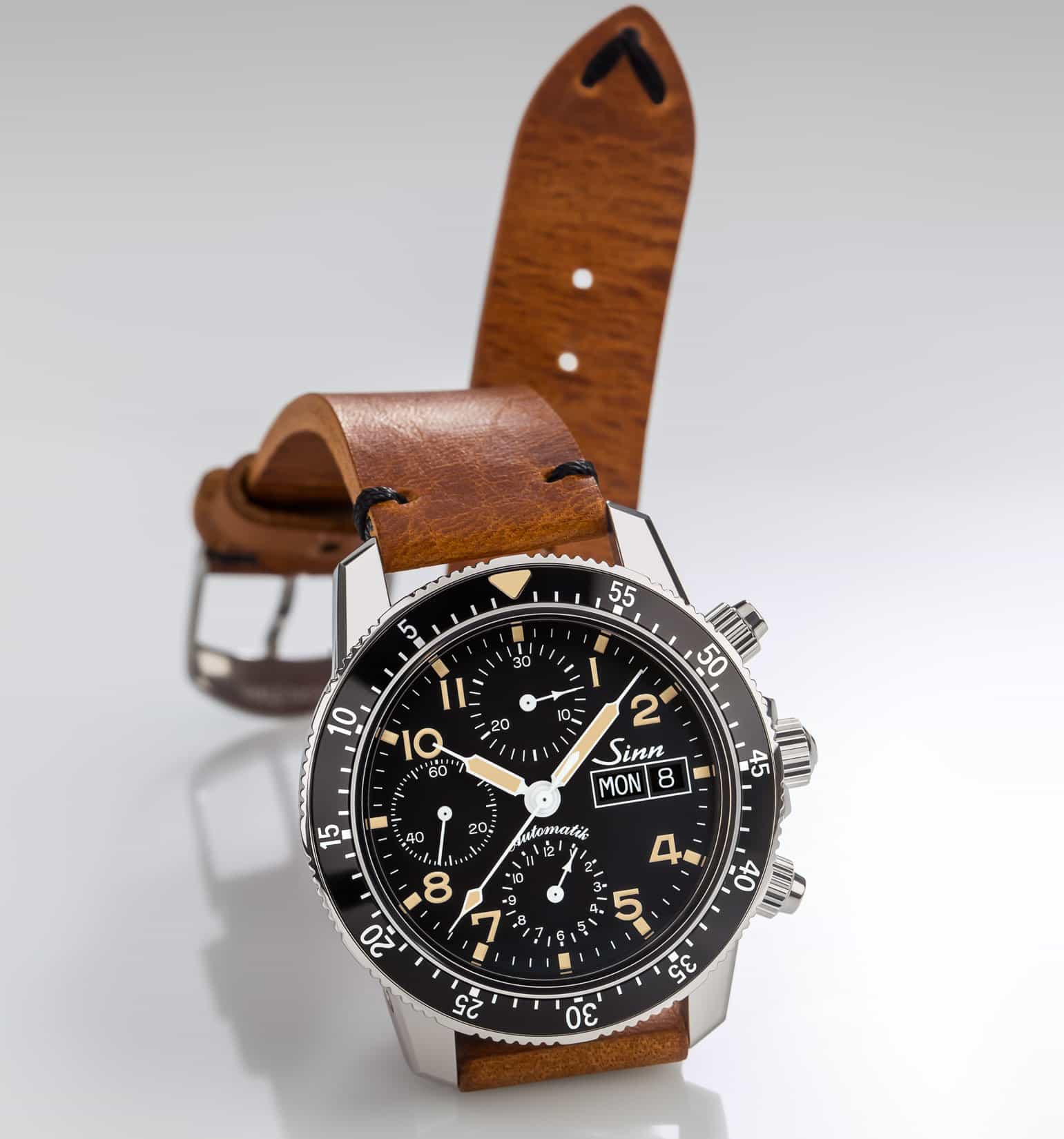 A valuable comboThere is a myriad of watches available both new and vintage that combine these three functions in various ways. I own a chronograph with a dive bezel. The way those two functions measure time works well for me in different capacities. However, for someone completely tied to time past, present, and future they cant do much better than the combination of a chronograph and countdown bezel. This feature set presents as a very tool-oriented pilots watch, as pilots have some of the greatest need for different methods of precisely measuring time. The Sinn 103 is an excellent example. A chronograph and countdown bezel give the wearer the choice to operate from the now going forward, or instead, to move towards a set moment in the future. It allows for flexibility in perception and interaction with time to best fit the application.The divers cheatThe countdown bezels pip is arguably the most important mark on it lift off. On a divers bezel, the pip is only a start point; the numerals that record the elapsed time are what are most important. With quick approximations of the watch face based on the position of the minute hand, a divers bezel pip can be easily set at a moment in the future much like a countdown bezel can. Fifteen-minute intervals can be easily visualized from the position of the minute hand, so giving yourself 45 minutes should be a piece of cake. And if you have a meeting at 10:19 (I dont make the rules), you can place the pip at the 19-minute mark on your dial. Sure, you wont get the NASA-style countdown from 10, but thats not so hard to imagine either. With some clever repurposing of a divers bezel, you can effectively achieve the poor mans countdown.
 Which will you count on?These are three different ways of measuring the same time, and each has its strengths of application. Each also changes the way we interact with time. Are you constantly in go-mode, or is time flexible for you? How much of your day-to-day depends upon precise timing, and how much on future events? Or is a time-only watch all you need? How do the bezels you use shape your interaction with time? Let us know in the comments.
Swipe to the left
Viktor Kotsjuba
February 19, 2022
