
Frequent readers know that, here at Fratello, we love things related to space travel. Probably ignited by the Omega Speedmaster Professional, a.k.a. the Moonwatch, however meanwhile extended to general astronautics. Of interest are space crafts like rockets, space shuttles, manned satellites, and more.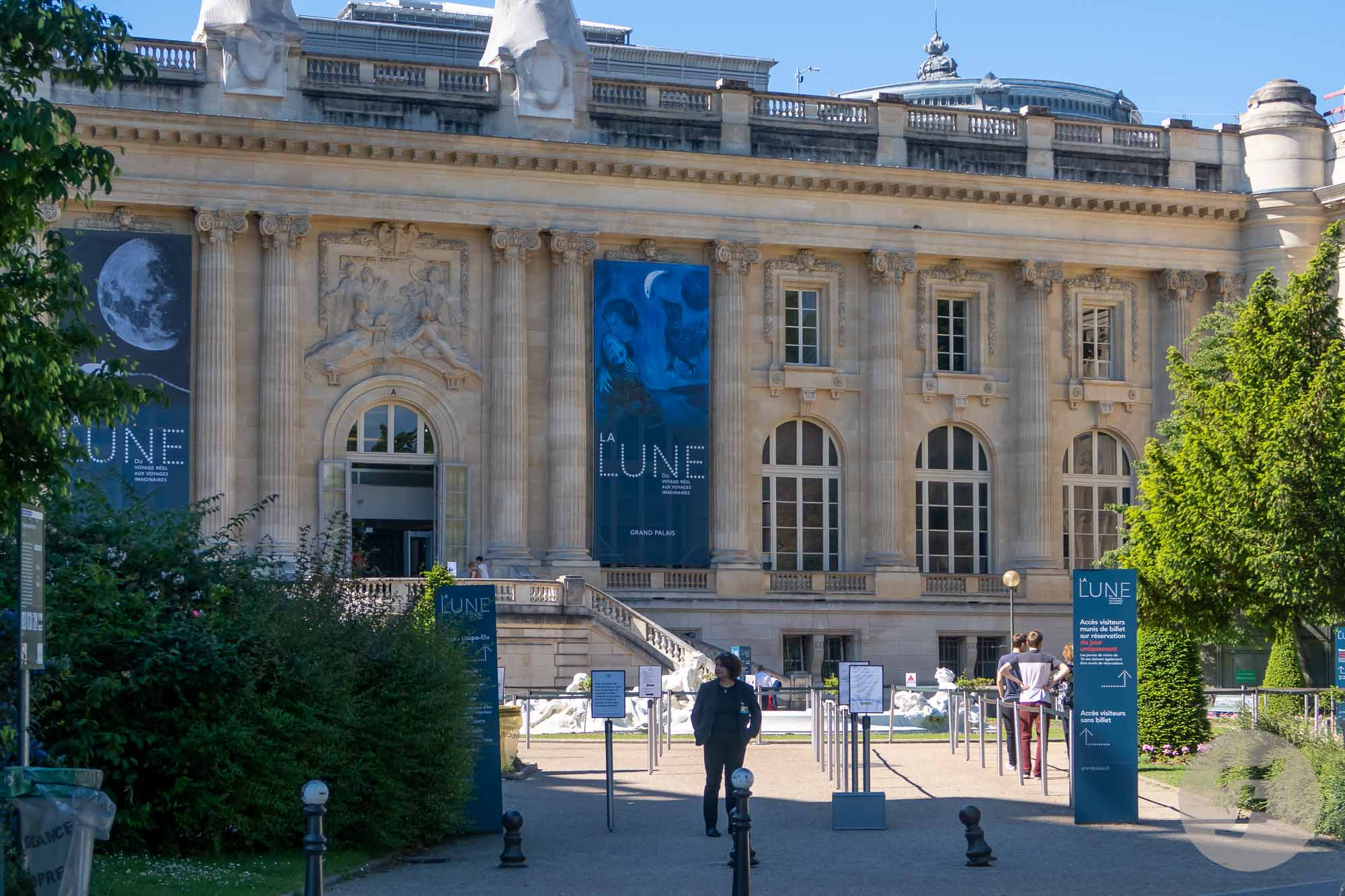 The entrance of the exhibition at the Champs Elysees side of the Grand PalaisLa Lune Exhibition in ParisOur interest goes to flown objects, watches at best, but even pieces of protective foil will do. Then there are?space-related?items, like astronaut-used pens, cameras, and even space-related toys and comics. As examples, I want to mention LEGO models of the Saturn V rocket and lunar lander, as well as Tintin comics.a special place in our heartsThe Moon, however, always had a special place in our hearts. If then an entity like the Grand Palais in Paris takes the opportunity to celebrate the 50th anniversary of the first human step on the Moon by organizing an exhibition dedicated entirely to it, it wont be a surprise that we had to go and visit.
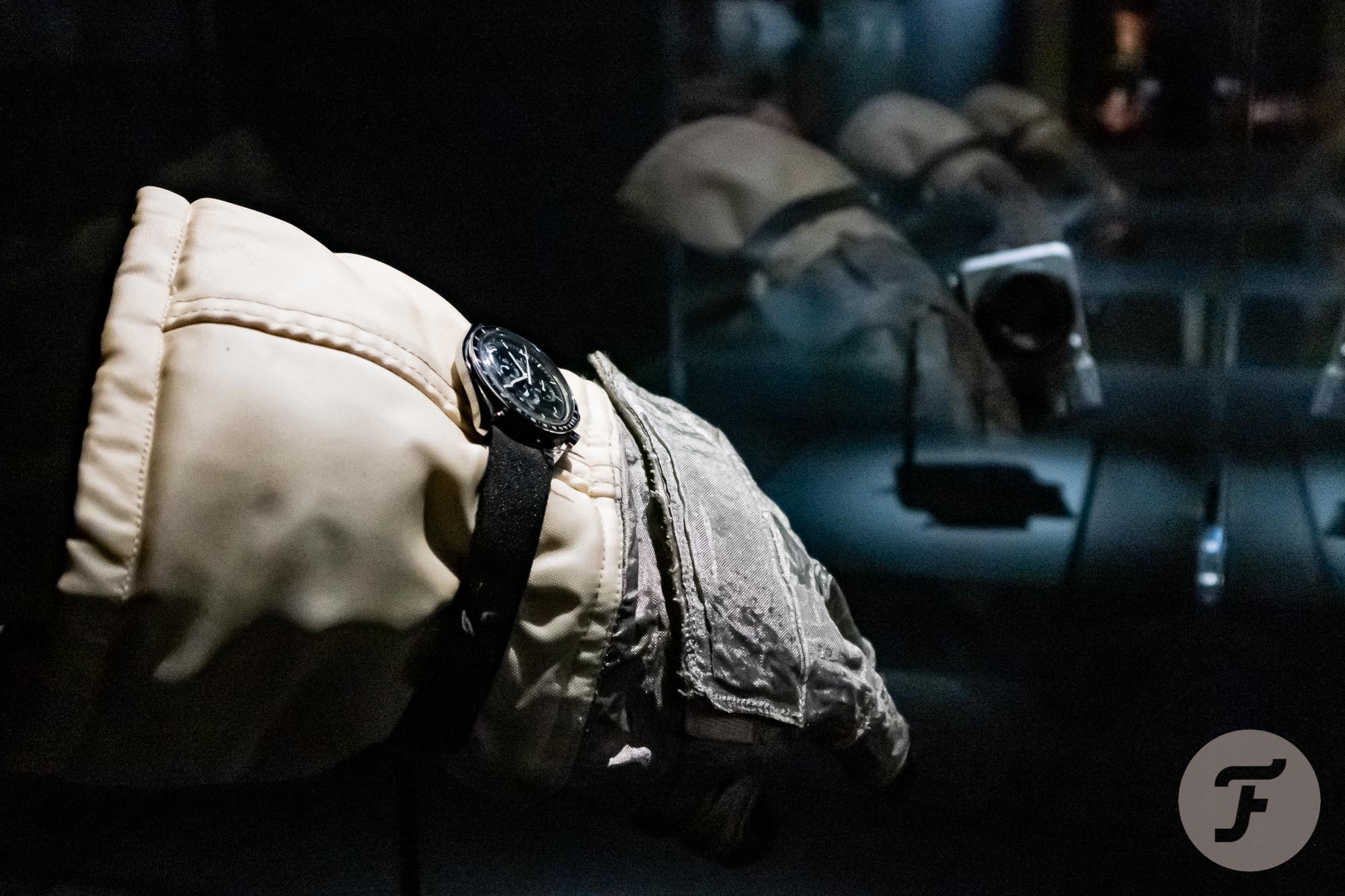 The journey to the Moon over the last 2000 yearsNot only for us at Fratello, but the Moon, in many ways, has always influenced humanity. As gracious familiar celestial body lighting the night sky, the Moon visited the sleep of mortals and watched over lovers. Constantly changing, it gives rhythm to the passing time, and the lunar cycle became a symbol of inconsistency and moodiness. Traveling to the moon has been the subject of literary fiction for over two thousand years. First by Lucian of Samosata in the second century, who satirically described the Moon like an evil counterpart of the Earth.
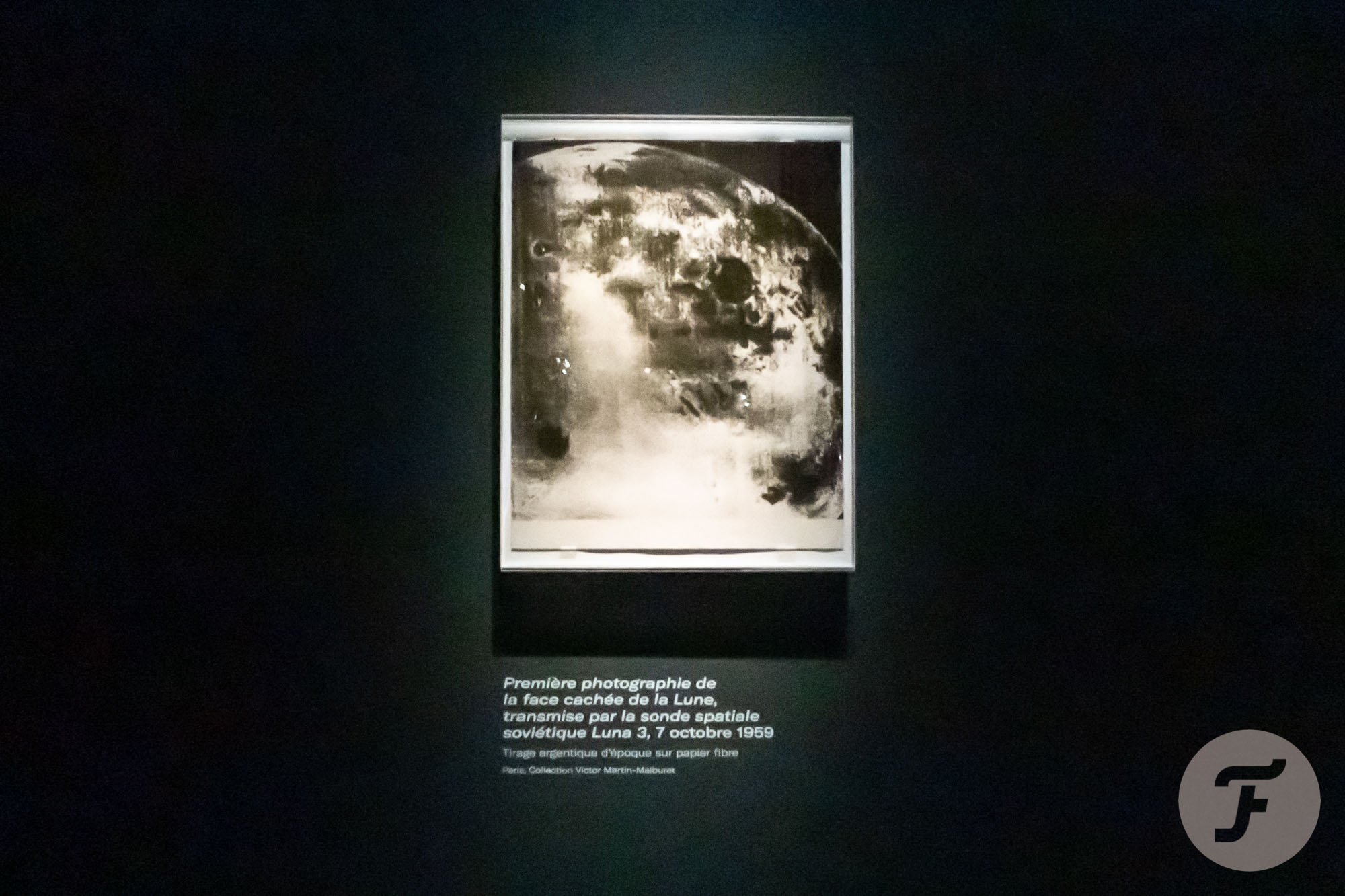 First picture of the dark side of the MoonThen, in the early seventeenth century, the refracting telescope was invented. Its development and the subsequent invention of the optical telescope allowed?the Moons surface to be observed and mapped in greater detail. Producing maps of a world no one yet intended to visit. This most probably led to pseudo-scientific stories the forerunners of science fiction in the 19th century, when cinemas and comics brought a virtual lunar exploration to the general public. In the end, in the twentieth century, traveling to the Moon became the?source of international rivalry.the unthinkable happenedSerious research started in 1958 with the Mercury program, later followed by the Apollo program. A series of missions were carried out to obtain information and gain experience in space traveling. Then, on the night of 20 to 21 July 1969, the unthinkable happened. Two men stepped on the Moon. On the eleventh Apollo mission, three men were sent to the moon. Neil Armstrong, Buzz Aldrin, and Michael Collins (who remained in orbit). NASAs decision?to broadcast the lunar landing live to hundreds of millions of people made it one of the first truly global events.
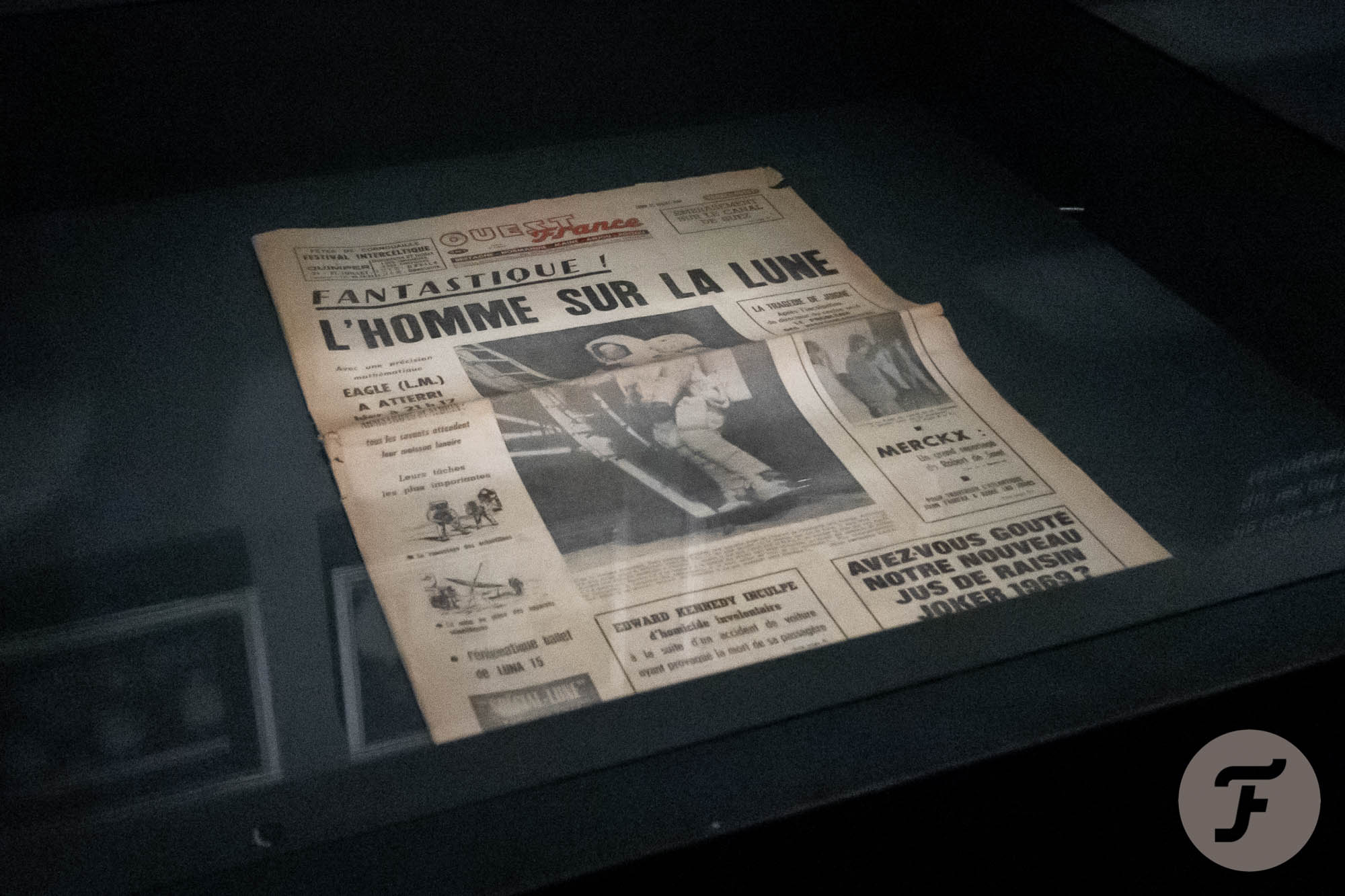 An exhibition of real and imaginary dimensionsThe La Lune exhibition in the Grand Palais in Paris is made up of real and imaginary dimensions. Showing artistic creations, dedicated to the Moon, from Antiquity to the modern day. Not only produced in Europe, but also by African, Arab, and Far Eastern civilizations. However, showing real-world items and photographs related to the Moon and Moon landing as well.
Swipe to the left
Patricia A Fischer
June 05, 2019
